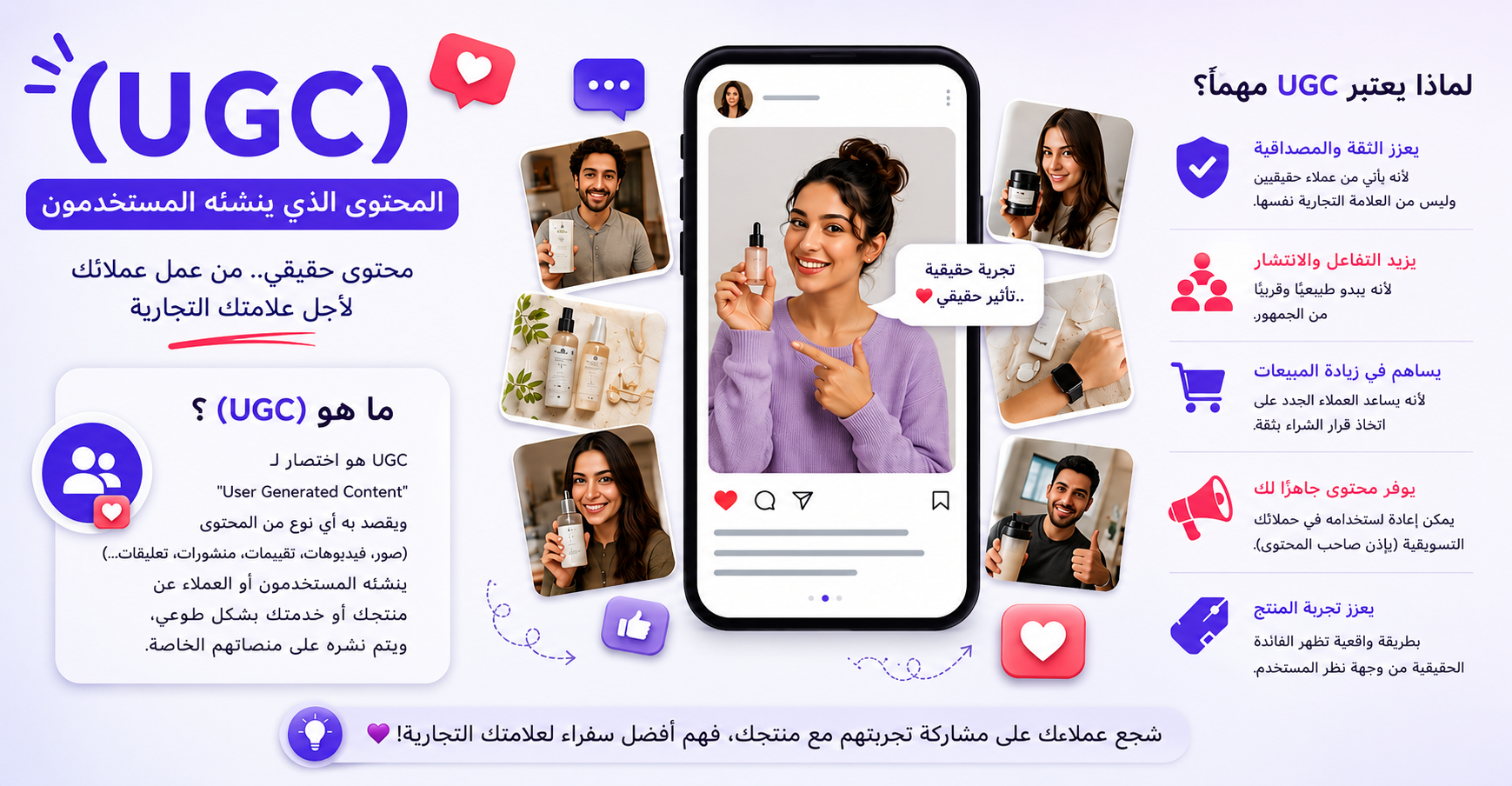
What is user-generated content?
This type of content helps build narratives and recommendations around brands through genuine,
real-life experiences. Since modern consumers place greater trust in the experiences of real
people than in traditional advertising, companies are increasingly relying on User-Generated Content (UGC) as a key marketing element.
This user-generated content (UGC) can be:
- A video demonstrating the experience of using a specific product
- A photo of a customer wearing a product they purchased
- Positive review on an online store
- A post in which a user shares their opinion about a service or a restaurant
- Personal stories and experiences with the product or service
It is content where customers share their actual experience with a product or service explaining how they used it and the benefits or results they achieved These experiences may take the form of posts, videos, or photos accompanied by a personal story
Why is user-generated content (UGC) considered important?
Because customers trust real user experiences more than traditional advertisements.
- Increasing brand confidence
- Improving purchasing decisions
- Increasing engagement rates
- Increasing sales
- Reducing content production costs
Benefits of User-Generated Content (UGC)
UGC offers a range of practical benefits that brands can use as part of their marketing strategies, including:
- Enhancing Authenticity and Credibility
Presenting products through real experiences and everyday use adds a more authentic feel to the content. - Increasing Content Variety
UGC provides brands with a range of images, videos, and customer experiences that can be used across different marketing channels. - Supporting Audience Engagement
UGC can encourage users to interact and share content when it reflects their experiences and interests. - Supporting Product Pages and E-commerce Stores
Brands can use user-generated images, videos, and reviews to add more realistic content to product pages. - Enabling Content Repurposing
After obtaining the appropriate rights or permission, brands can reuse UGC across social media, websites, email marketing, and advertising. - Helping Reduce Some Content Production Costs
Brands can leverage content created by users instead of relying entirely on producing new content for every campaign.
Drawbacks of user-generated content
- Difficulty Controlling Content Quality
User-generated photos or videos may be of low quality or unprofessional, which could negatively affect the brand image.
- The presence of negative reviews and opinions
- The need to obtain permission
Companies must obtain approval from content owners before reposting it or using it in marketing campaigns.
- Inconsistency of content with the brand identity
The style or format of user-generated content may not align with the marketing message that the company wishes to deliver.
- Time and effort consumption
Searching for, reviewing, and managing suitable content requires time and effort from the marketing team.
UGC Best Practices
The success of a UGC strategy does not depend only on generating a large amount of content, but also on how that content is selected, managed, and used. Some of the key practices for getting the most value from UGC include:
1. Choose Content That Supports the Campaign Objective
Every piece of content should be connected to a clear objective, whether it is Brand Awareness, Engagement, Traffic, or Conversions.
2. Focus on Authenticity Without Sacrificing Clarity
UGC does not need to look highly polished, but it should be clear, easy to understand, and suitable for presenting the product or service.
3. Give Creators Room to Use Their Own Style
When working with UGC Creators, it is better to define the key messages and requirements while allowing enough creative freedom for the Creator to present the content naturally.
4. Request Different Content Formats
Brands can request multiple formats, such as Product Demos, Unboxing, Testimonials, and How-to Videos, to create content that can be used across different stages of the customer journey.
5. Obtain Permission to Use the Content
Before reposting UGC or using it in advertising, brands should ensure that they have the appropriate usage rights and permission from the content creator.
6. Test Different Content Versions
Using multiple versions or creative approaches allows brands to compare performance and identify which types of content deliver the desired results.
7. Use Data to Improve Content Selection
Review metrics such as Views, Engagement, Clicks, and Conversions when available, and use the results to understand which types of content perform better.
8. Make UGC Part of an Integrated Strategy
Instead of treating UGC as a separate content type, brands can integrate it across Social Media, Product Pages, Email Marketing, and Paid Ads to maximize its value throughout the customer journey.
? How do you find UGC creators in the MENA region
Selecting the right UGC creators helps brands produce content that resonates with their audience and target market. You can identify the best ways to reach and select UGC creators in MENA based on the type of content and the target audience.Contact Gravity Marketing today, and let us help you build an effective UGC strategy, find the right Creators, produce authentic content that resonates with your target audience, and leverage it across different marketing channels to achieve better results across MENA markets.