Content creation is no longer limited to garnering views and building audience engagement; the true challenge lies in transforming that influence into tangible opportunities. With the launch of TikTok Shop in Saudi Arabia, creators now have a new opportunity to link their content to the products they recommend, drive sales, and directly capitalize on their influence.
?What will you find in this article
-
How Can Content Creators Benefit from This Development?
-
How Can Content Creators Earn Income from TikTok Shop?
-
How Does TikTok Shop Change How Creator Performance Is Measured?
-
Who Can Become a TikTok Shop Affiliate Marketer?
-
How Can Content Creators Choose Products and Request Samples?
-
What Role Does GMV Play in Sample Quotas?
-
What Should Content Creators Do After Receiving a Sample?
-
How Is Creator Activity Reviewed and Collaboration Continued?
-
What Happens When a Pending Release Status Appears?
-
What Rules Should Content Creators Know Before Creating TikTok Shop Content?
-
Can Content Creators Direct Audiences to Purchase Outside TikTok Shop?
-
What Happens When TikTok Shop Rules Are Violated?
-
How Can Content Creators Appeal a Violation?
-
How Has Gravity’s Journey with TikTok Shop Evolved Toward Saudi Arabia?
-
What Does This Development Mean for Content Creators?
- Frequently Asked Questions
- Contact us.
With the start of work within TikTok Shop in Saudi Arabia, content creators can now connect their content directly with products. This means that a video is no longer limited to generating views and engagement; it can also support product discovery and generate eligible sales through shoppable content.
This development gives content creators an opportunity to work within a model that brings together content, commerce, and performance through:
- Promoting products: Selecting products that are relevant to their audience and creating content that demonstrates their use and benefits in an authentic way.
- Earning income from sales: Receiving a commission on eligible sales made through TikTok Shop, subject to the program’s terms.
- Building commercial partnerships: Moving beyond collaborations focused solely on content publishing toward partnerships that can be connected to commercial performance.
- Measuring results more clearly: Tracking product- and sales-related metrics rather than relying only on views and engagement.
- Developing content strategies: Using performance data to identify the products and types of content that generate a stronger response from their audience.
Therefore, the value of TikTok Shop for content creators is not simply about adding a product link. It creates a stronger connection between the content they produce and the commercial outcome that content can generate.
How Can Content Creators Earn Income from TikTok Shop?TikTok Shop allows content creators to earn income through affiliate marketing, where they receive a commission when eligible sales are completed through the products they promote, subject to the program’s terms.
Under the current operating model, income is not based solely on the number of views. Instead, it is connected to the creator’s ability to turn audience interest into a purchase. The income journey can therefore include the following steps:
- Choosing the right products: The creator selects products that are relevant to their audience and the type of content they produce.
- Requesting samples when available: Creators can request product samples available to them through the program, subject to sample limits and requirements.
- Creating shoppable content: After receiving the product and confirming that it matches, the creator creates appropriate content and adds the correct product link.
- Generating sales: When an audience member purchases the product through the linked content, the sale may qualify for a commission.
- Receiving the commission: The commission is calculated according to the program’s terms and eligible sales, while returns or refunds may affect the final commission.
Under the program model operated by Gravity Marketing, the commission is 10% on products included in the program. However, creators should always refer to the current program terms, as commission details, eligible products, and settlement procedures may change.
With this model, content becomes part of the purchasing journey, and creator performance is connected not only to how many people the content reaches, but also to its ability to turn that reach into measurable commercial results.
How Does TikTok Shop Change How Creator Performance Is Measured?If you’re a content creator interested in exploring brand and commerce opportunities, you can join Gravity’s creator network and explore available opportunities.
With TikTok Shop, evaluating a content creator’s performance is no longer limited to views or engagement. Because products can be integrated directly into shoppable content, additional metrics related to the purchasing journey can be considered, making performance evaluation more connected to commercial outcomes.
Some of the key metrics include:
- Views and engagement: To understand the content’s reach and how the audience responds to it.
- Product interactions: Such as product clicks or interactions with shoppable content.
- Sales: To measure the content’s ability to turn audience interest into eligible purchases.
- GMV: The total value of sales generated by products during the period or activity being measured.
- Commissions: To understand the income generated by the creator from eligible sales.
- Product performance: To identify which products generate stronger audience responses and sales through the content.
This means that TikTok Shop content can be evaluated from multiple stages of the journey: reach → engagement → product interest → purchase → commercial value.
As a result, content creators can use performance data to understand which content and products generate stronger results, rather than relying on views alone when evaluating content performance.
Who Can Become a TikTok Shop Affiliate Marketer?Not every account can automatically start affiliate marketing on TikTok Shop. Content creators must meet the program’s eligibility requirements before accessing the products, samples, and related features available through the program.
For the TikTok Shop Saudi Arabia program operated by Gravity Marketing, the current core requirements include:
- The content creator must be 18 years or older.
- The account must have at least 5,000 TikTok followers.
- The creator must be residing in Saudi Arabia, as the current sample program is based on delivery within the Kingdom.
- The account must be eligible to use e-commerce features on TikTok.
- The creator must comply with TikTok Shop’s content and product guidelines.
- The account must be in good standing and free from violations that could affect eligibility.
Once these requirements are met, the creator provides their TikTok Handle and Author ID to the party managing the program. After Ownership Confirmed, the creator can proceed with the next operational steps, such as selecting products and requesting samples.
It is also important to distinguish between creator eligibility for affiliate marketing and other account types connected to shops, as requirements and available features may vary depending on the account type and its role within the TikTok Shop ecosystem.
Note: Eligibility requirements and operational limits may change, so creators should refer to the current TikTok Shop requirements and program notices when applying.
How Can Content Creators Choose Products and Request Samples?
After Ownership Confirmed, content creators can move on to selecting products and requesting available samples through the program. The selection process is not based solely on product availability; it is important for the product to be relevant to the creator’s audience and the type of content they produce.
The process follows these steps:
- Review the product list: The program team shares a list of available products and may provide recommendations based on the creator’s content and audience.
- Choose suitable products: The creator selects products that they can present naturally and appropriately to their audience.
- Submit a sample request: After selecting the products, the creator submits the sample request through the program team.
- Organize sample requests: Under the current program, all prepared sample requests should be submitted in one batch, with no more than 3 hours between the first and last request.
- Follow the weekly limit: Sample requests are subject to a weekly quota based on the calendar week. The quota resets at the beginning of each week, while unused quota does not carry over to the following week.
Sample availability is also not unlimited. The quota is linked to factors including category, period, and GMV. Once either the quantity or value limit is reached, whichever comes first, sample requests within the current quota stop.
For this reason, creators should treat a sample as part of a complete workflow: product selection → sample request → product delivery → shoppable content creation → achieving the required performance.
Looking for opportunities to work with brands and create content around relevant products? Join Gravity’s creator network and stay connected to upcoming opportunities.
What Role Does GMV Play in Sample Quotas?GMV (Gross Merchandise Value) plays a role in determining sample access within the TikTok Shop Saudi Arabia program operated by Gravity Marketing. Sample quotas are not based solely on the number of products a creator requests; they can also be linked to the level of commercial activity generated through their content.
Under the current program structure, the GMV generated during a specific period can affect the level of sample quota available to a creator. In general, as a creator’s account reaches a higher level of commercial activity, the available sample limits may change according to the program’s rules.
There are several important points to keep in mind:
- Quotas are determined based on factors including the time period, account status, and GMV.
- Limits apply to both the number and value of samples.
- Sample requests stop when either the quantity or value limit is reached, whichever comes first.
- The weekly quota resets at the beginning of the week according to the program’s system.
- Unused quota does not carry over to the following week.
- If a creator receives samples but does not achieve the required GMV level, new sample requests may be suspended until the specified target is achieved.
Therefore, GMV is not simply a sales measurement. It can also form part of the mechanism used to determine a creator’s sample access and continued activity within the program.
What Should Content Creators Do After Receiving a Sample?Note: GMV thresholds, sample quantities, and value limits may vary by program, category, and time period. They should not be treated as fixed or universal figures for all content creators.
A content creator’s responsibility does not end when the product is delivered. Instead, this marks the beginning of the process of turning the sample into shoppable content that accurately represents the actual product and follows TikTok Shop requirements.
After receiving a sample, the creator should:
- Confirm that the product matches: Review the product and make sure it matches the product linked to the content.
- Start creating the content: Create the content after receiving and confirming the product, with a clear focus on the actual product and its use.
- Add the correct product link: The video should be linked to the correct product so the audience can access it through the shoppable content.
- Follow the required timeline: Under the current program, the operational target is to publish at least one video for each sample within 14 days of delivery.
- Review the content before publishing: Make sure the way the product is presented, the information provided, and any prices or offers comply with the applicable rules.
- Monitor performance: After publishing, performance becomes part of the ongoing review, including product activity, sales, and GMV where the relevant data is available.
A sample is therefore not simply a free product; it is part of an operational commitment within the program. Continued shoppable content creation and sample-related activity can affect ongoing collaboration and access to additional samples.
How Is Creator Activity Reviewed and Collaboration Continued?A creator’s continued participation in the program is not based solely on receiving samples. Their activity is reviewed according to specific criteria to ensure ongoing participation and the creation of content linked to the samples received.
Under the current program, the review takes place on the third day of each month and evaluates activity from the previous calendar month.
The review process includes several points:
- The review starts from the second full calendar month after the creator is linked to the program. The first full calendar month after linking is not included in the review.
- The creator must have at least one sample request during the review period.
- The creator must also publish at least one shoppable video for a sample that was delivered 14 or more days earlier.
- Samples that are still in transit, or were delivered less than 14 days ago, do not count against the creator when activity is evaluated.
- If there are no sample requests and no published content during the previous month, the creator is automatically marked as unsuccessful.
This review helps ensure that receiving samples is followed by actual activity from the creator rather than simply receiving products. The creator’s level of activity and compliance with the program requirements can also affect continued collaboration and access to additional samples.
What Happens When a Pending Release Status Appears?
A Pending Release status can directly affect a content creator’s ability to request new samples within the program. When this status appears, the creator’s sample quota is temporarily frozen, and new sample requests cannot be submitted until the status is resolved.
During this period:
- The creator cannot request new samples through the program.
- The available sample quota remains frozen until the Pending Release status is closed.
- The program management team can follow up on the status and take the required steps according to the TikTok Shop process.
- If an appeal is required, an appeal supported by evidence can be submitted within the program’s specified timeframe.
Under the current program process, the party managing the collaboration has 3 business days to submit an appeal with supporting evidence. If the appeal is not accepted, the creator may return to the general creator pool, where another agency may later nominate them according to the program requirements.
The original agency also cannot re-nominate the same creator for 30 days after the creator is unlinked.
Therefore, a Pending Release status does not necessarily mean that the collaboration has ended. It indicates that there is a pending status that needs to be addressed before access to new sample requests can be restored.
What Rules Should Content Creators Know Before Creating TikTok Shop Content?
Before creating TikTok Shop content, content creators should ensure that the product shown in the video is the same product linked to the content and that the information presented about it is accurate and does not mislead the audience.
Some of the key rules to keep in mind include:
- Make the product the focus of the content: The product should be clearly visible and prominent in the video, presented in a way that helps the audience understand it.
- Use the actual product: Creators should feature the product they received rather than relying on generic or stock images that do not represent the actual product.
- Show the product clearly: The product can be presented from different angles, with its actual use or features demonstrated where appropriate.
- Add the correct product link: Creators should make sure that the link attached to the video leads to the product shown in the content.
- Provide accurate information: Do not include specifications, benefits, or results that are not included in or supported by the product information.
- Be transparent about AI-generated content: When disclosure is required for AI-generated content, the appropriate label should be used, and the content should not be presented in a way that misleads the audience or suggests a product or experience is real when it is not.
- Pay attention to differences between the content and the actual product: If image edits, packaging changes, or AI-generated media make the product appear different from the actual version, they should not be used in a way that gives the audience a misleading impression of what they will receive.
The core principle is to keep the content clear, accurate, and consistent with the linked product, while avoiding any presentation that could mislead the audience about the product or its features.
Can Content Creators Direct Audiences to Purchase Outside TikTok Shop?
When creating content linked to TikTok Shop, purchases should take place through the designated TikTok Shop purchasing path, rather than directing audiences to an external platform or method to complete the purchase.
Creators should therefore avoid:
- Directing audiences to external websites or platforms to purchase the product.
- Adding phone numbers or contact details for the purpose of completing orders outside TikTok Shop.
- Directing audiences to WhatsApp or social media accounts to complete a purchase.
- Using QR codes or external links to redirect audiences to another purchasing channel.
- Asking audiences to purchase through another website or platform instead of using the product link within TikTok Shop.
- Using videos, LIVE sessions, descriptions, comments, or the bio to redirect audiences to an external purchasing channel.
The purpose of this rule is to maintain a clear purchasing journey within the TikTok Shop ecosystem, keeping the content, product, and purchase process within the platform’s designated path.
Therefore, when content is part of a TikTok Shop program, the correct TikTok Shop product link should be the path used to direct audiences toward the purchase, in accordance with the program’s current requirements.
What Happens When TikTok Shop Rules Are Violated?
When TikTok Shop requirements are not followed, a content creator’s access to certain features, products, or samples available through the program may be affected, depending on the type and status of the violation.
Examples of situations that may affect a creator’s participation include:
- Publishing content where the product shown does not match the product linked to the content.
- Providing inaccurate or misleading information about the product.
- Using content or presentation methods that could give the audience a misleading impression of the
- product.
- Failing to follow requirements related to shoppable content.
- Directing audiences to external channels to complete a purchase when this conflicts with the program’s requirements.
- Failing to meet operational requirements related to samples or required content.
Depending on the case and the program’s requirements, a violation may result in restrictions on certain features, frozen access to samples, or other actions.
Therefore, compliance with TikTok Shop rules is not limited to creating and publishing content. It also includes providing accurate information, using the correct product link, presenting the product appropriately, and following the program’s operational requirements.
Note: The action taken may vary depending on the type and status of the violation and the program’s current requirements. Creators should refer to the specific violation notice or decision to understand the applicable action.
Ready to take your content creation to the next level? Join Gravity’s creator network to explore potential collaborations with brands.
How Can Content Creators Appeal a Violation?
If a content creator receives a violation that affects their participation in the TikTok Shop program, they may be able to submit an appeal, depending on the type of violation and the applicable program process.
The appeal process generally involves:
- Reviewing the violation: The creator or the party managing the collaboration should first review the reason for the violation and identify the specific requirement involved.
- Preparing supporting evidence: Any relevant screenshots, content details, product information, or other evidence that supports the appeal should be collected.
- Submitting the appeal within the required timeframe: The appeal should be submitted according to the program’s current process and deadline.
- Waiting for the review decision: The relevant team reviews the submitted information and determines whether the violation should remain in place or be reconsidered.
For the current program process, the party managing the collaboration has 3 business days to submit an appeal with supporting evidence when an appeal is required.
Creators should therefore avoid submitting incomplete or unsupported appeals and should make sure that the information provided directly addresses the reason for the violation.
Note: Appeal procedures, deadlines, and eligibility may vary depending on the type of violation and the current TikTok Shop program requirements.
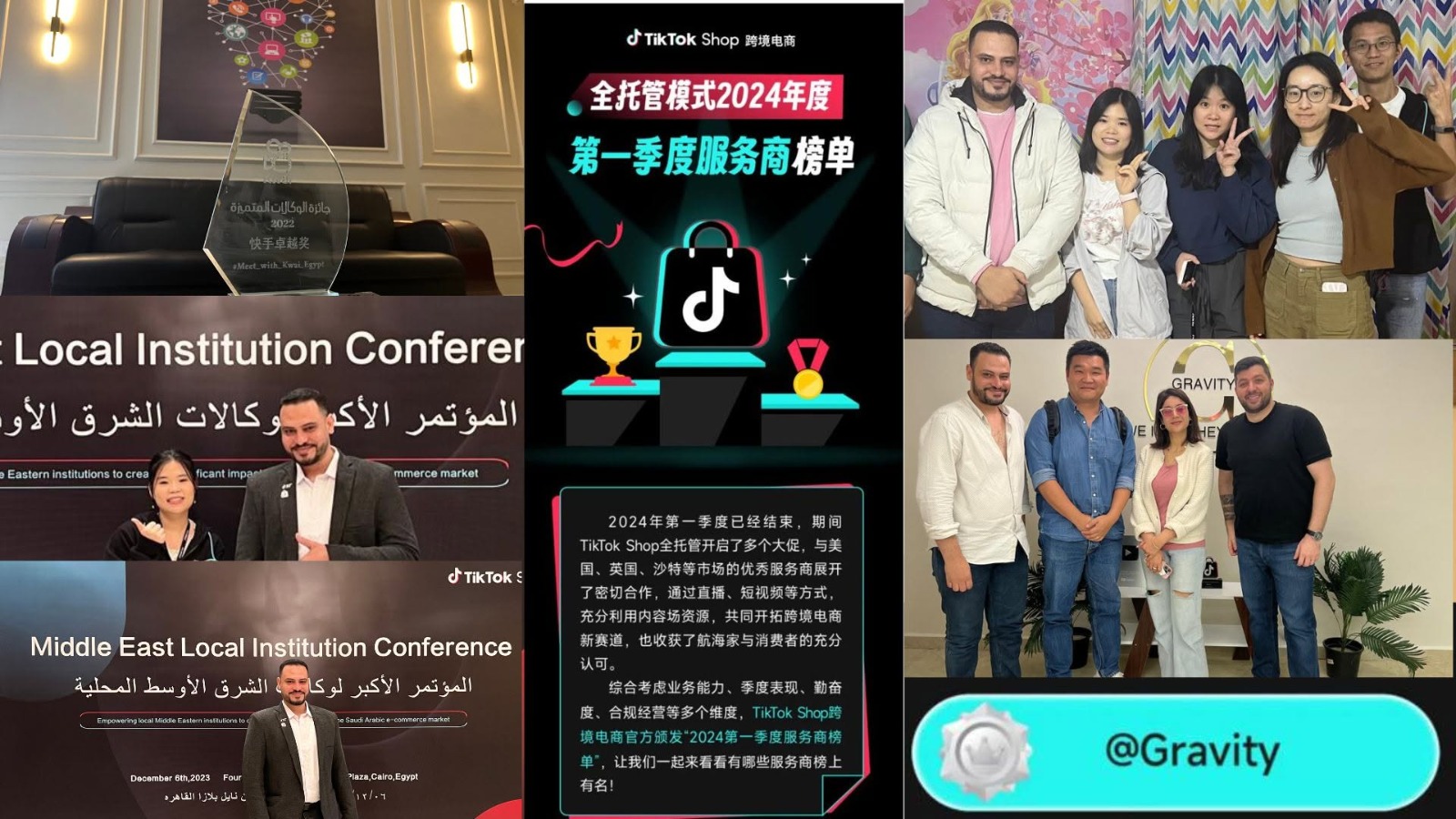
How did Gravity’s journey with TikTok Shop begin, leading up to its arrival in Saudi Arabia?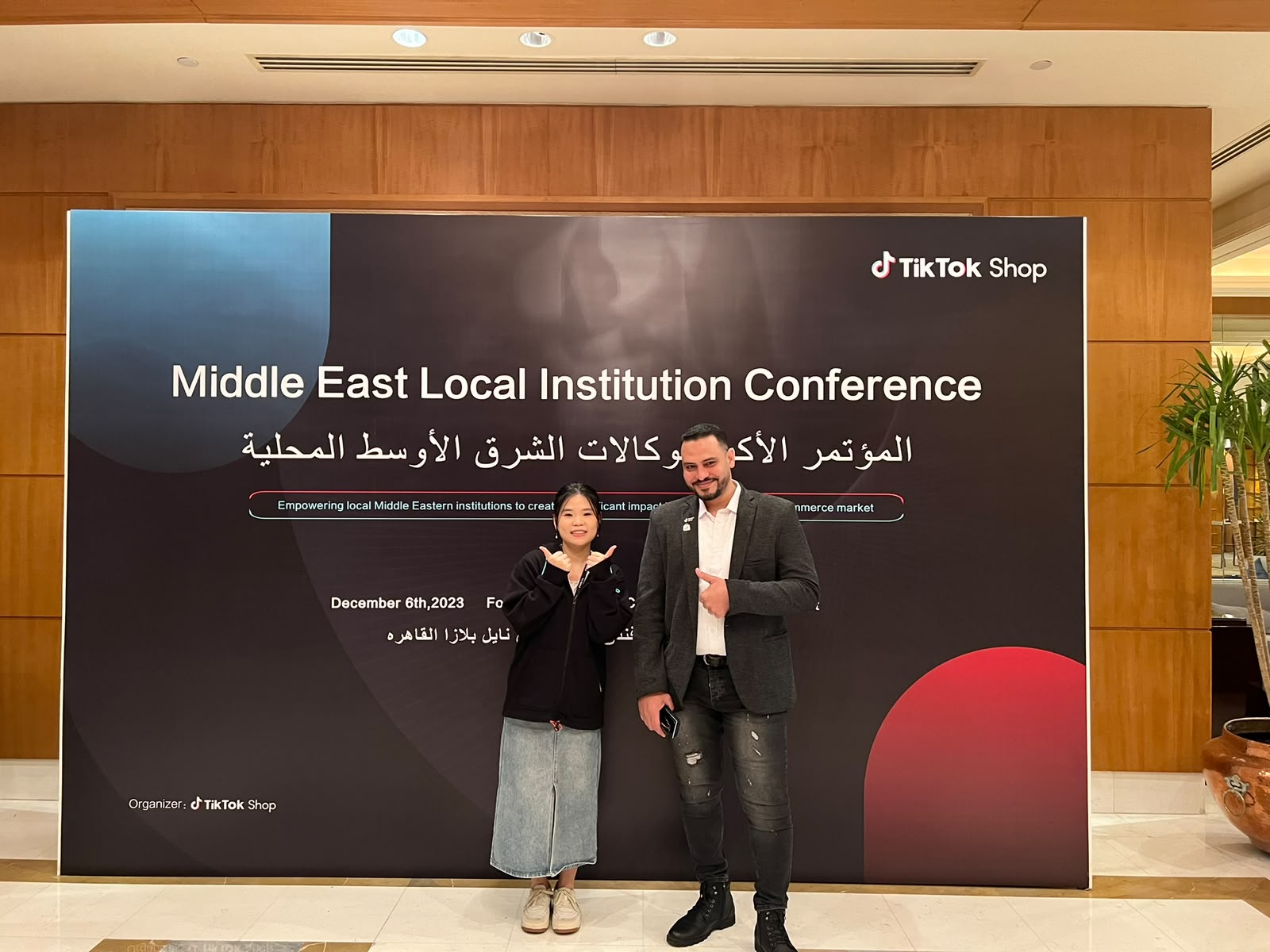
Gravity Marketing’s journey with TikTok Shop began through a previous collaboration between the two sides that continued from 2022 to 2024, within programs related to content creators and content-driven commerce. The collaboration is also documented in an article published by TikTok.
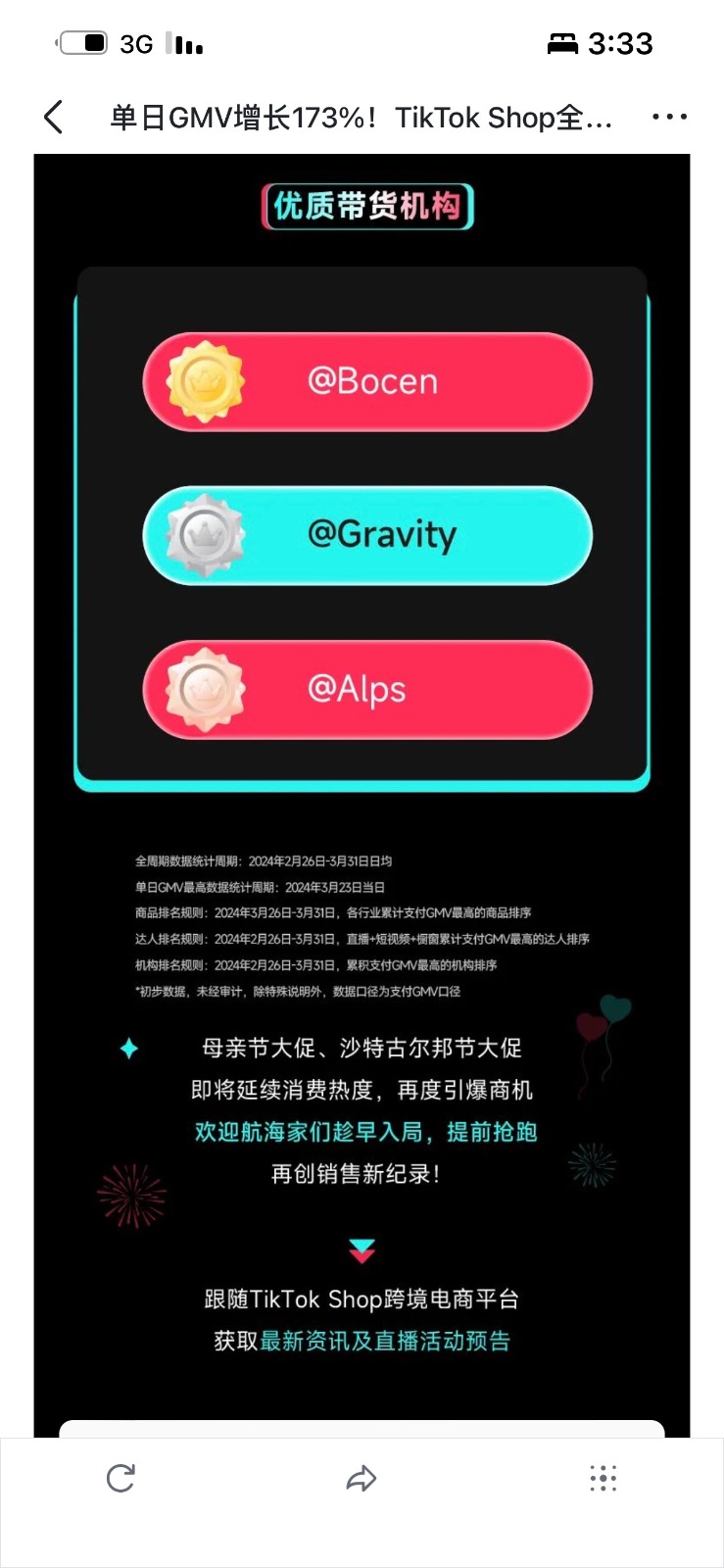
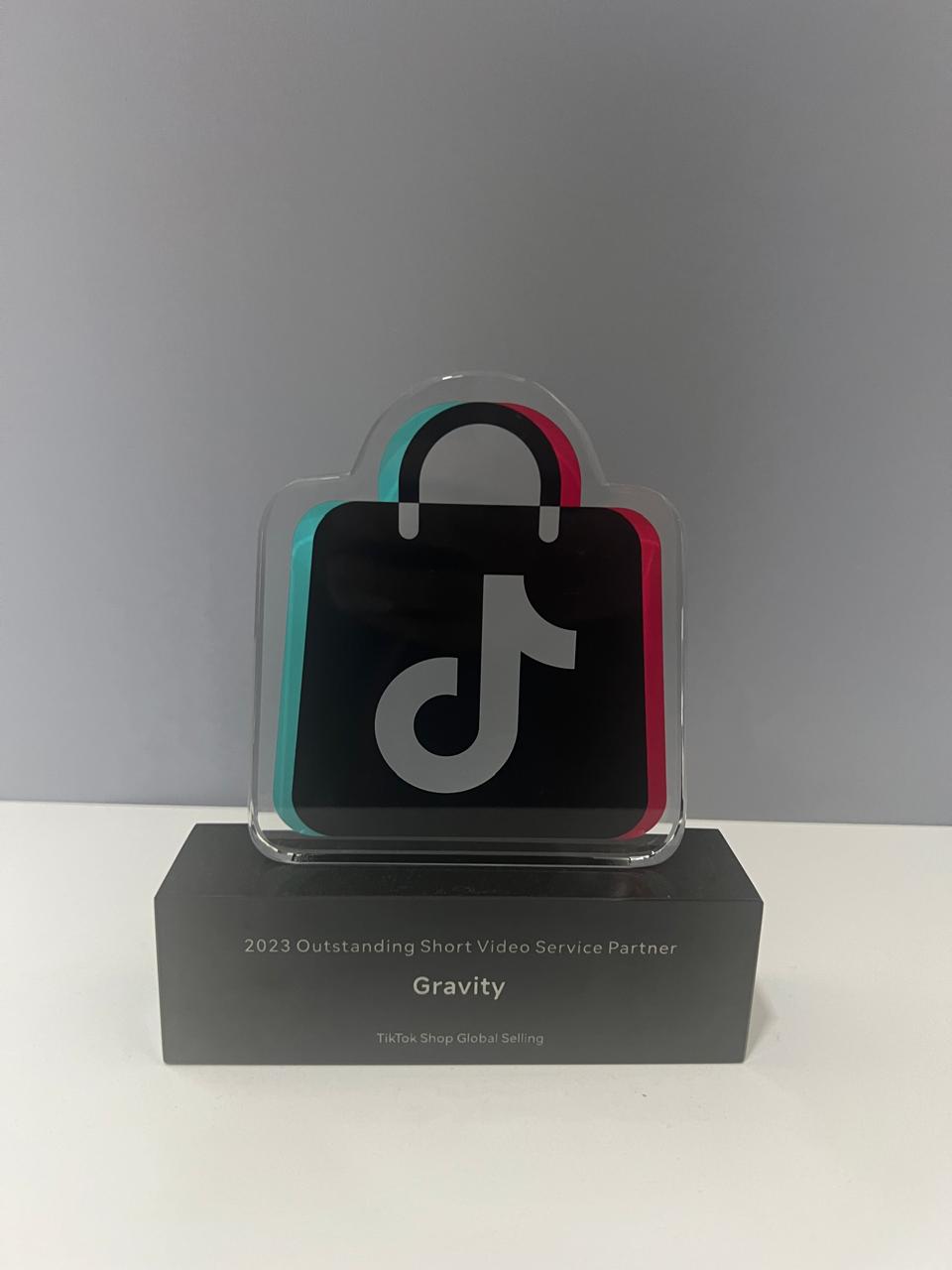
After this stage ended, the collaboration paused for a period before work resumed again as TikTok Shop programs evolved and their scope of activity expanded.
With the return of the collaboration, the nature of the work developed to include areas related to content creators, product selection, sample management, shoppable content creation, and performance tracking.
In 2026, this journey extended to work within the TikTok Shop program in Saudi Arabia, representing a new stage in Gravity’s collaboration with TikTok Shop and connecting its previous experience with new operational requirements in the Saudi market.
What Does This Development Mean for Content Creators?
Working within TikTok Shop in Saudi Arabia represents a development in how content creators can benefit from their influence. The value of content is no longer limited to views and engagement; it is also connected to its ability to link audiences with products and turn interest into measurable commercial results.
For content creators, this means that participating in this model involves more than publishing a video. It includes choosing relevant products, presenting them clearly and accurately, using the correct product link, following program requirements and timelines, and monitoring performance after publishing.
Metrics such as sales, GMV, and commissions can also become part of the broader picture when evaluating content performance, while active participation and compliance with program requirements may affect continued access to samples and available opportunities.
Ultimately, TikTok Shop connects content, commerce, and performance, creating another path for content creators in Saudi Arabia to generate commercial value from the content they produce, while keeping up with the program’s current requirements as they may change over time.
Frequently Asked Questions
When did TikTok Shop start in Saudi Arabia, and is it available in Egypt?
TikTok Shop availability varies from one country to another, and the available features and programs may also differ by market. Creators should refer to TikTok’s latest updates to confirm availability in each country.
Can any content creator join TikTok Shop?
No. Eligibility requirements vary by market and program and may include requirements related to age, location, account status, and follower count.
Can a content creator promote more than one product?
Yes. Creators can promote multiple products as long as the products are available to them through the program and they follow the requirements for each product.
Does a content creator earn a commission just by publishing a video?
No. Commissions are linked to eligible sales according to the program’s terms, rather than simply publishing content or reaching a certain number of views.
Can content creators work with more than one brand?
This may be possible depending on the program requirements and collaboration agreements, while creators must follow any applicable requirements regarding conflicts of interest or commercial content.
Can TikTok Shop content be reused on other platforms?
This depends on the content usage rights and collaboration terms. Creators should confirm the required rights before reusing content on other platforms.
Can a content creator stop participating in the program?
The process for ending participation may vary depending on the program and the organization managing the collaboration. Creators should review the applicable terms and procedures.
If you are a content creator looking to explore brand collaborations and content commerce campaigns, join Gravity Marketing’s creator network and explore the available opportunities.
To contact Gravity Marketing about collaborations and campaigns:
You can contact the team directly at:
+20 155 512 3155
+20 101 492 2711