A creator’s large follower count does not automatically make them the right fit for every brand. Selecting the ideal influencer depends on how well their audience and contentalign with the target market, brand identity, and campaign goals. This choice becomes even more critical when operating in the MENA region, where audience dynamics and market characteristics vary significantly from country to country. Therefore, before initiating any collaboration, it is essential to evaluate a specific set of criteria to determine the creator's true suitability for the campaign.
What Should You Look for When Choosing an Influencer?Choosing the right Creator requires looking beyond follower count. Brands should evaluate several factors to determine how well a Creator fits the brand, target market, audience, and campaign objective. The most important factors include:
1. Audience Location
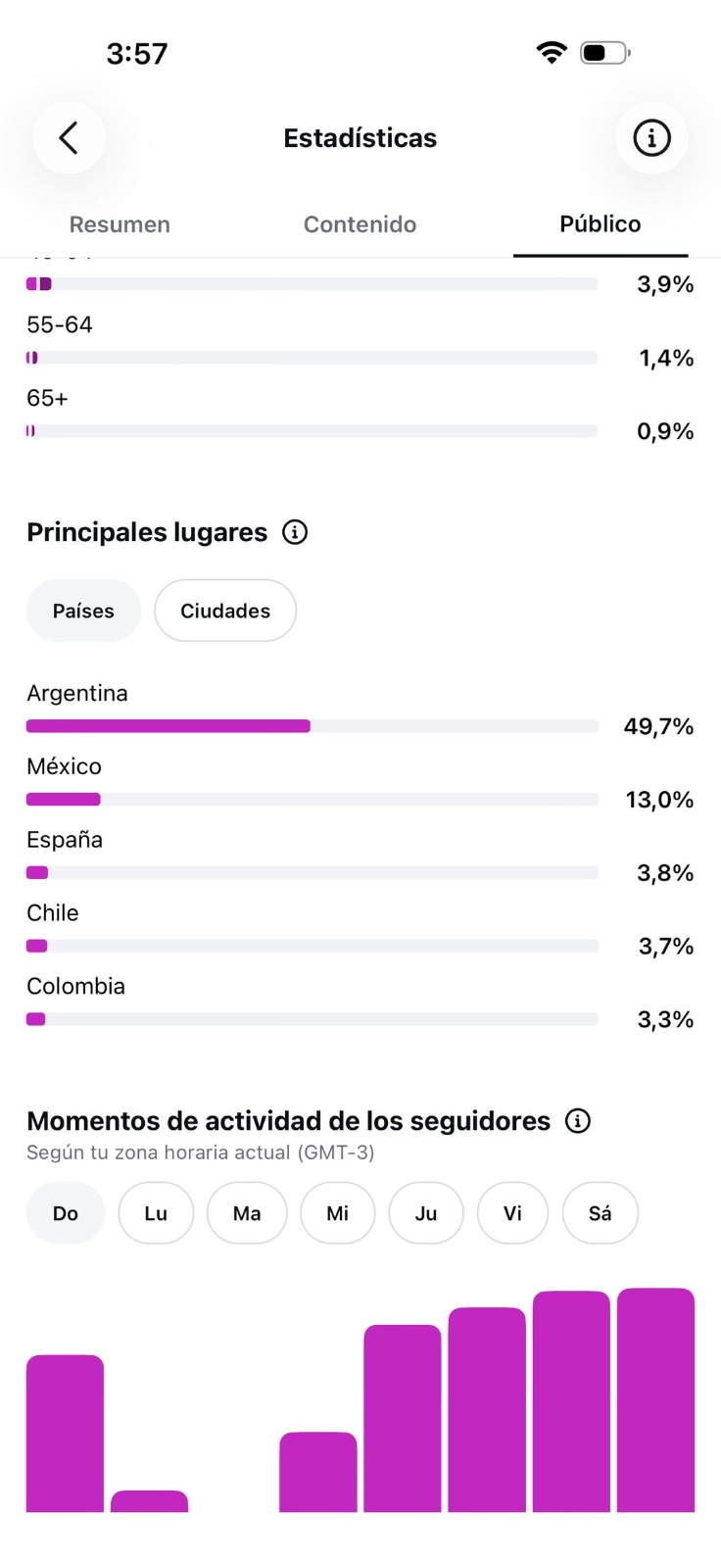
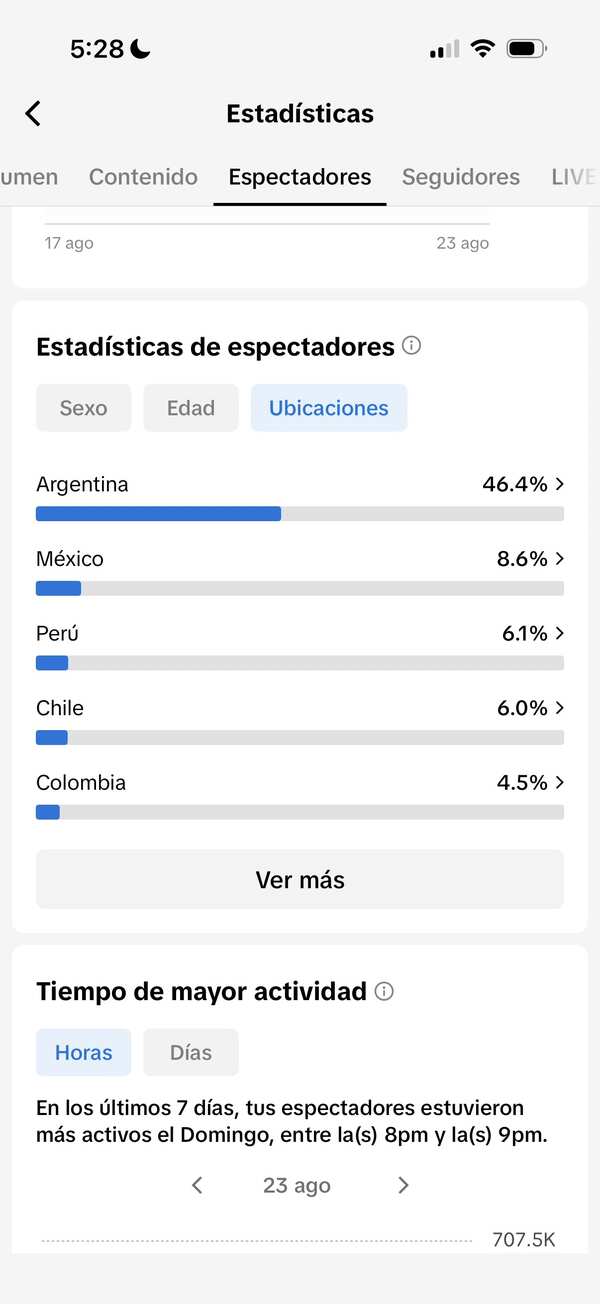
The first step is to make sure that the Creator’s audience is actually located in the market the brand wants to target. For example, a Creator may be based in Saudi Arabia, while a significant portion of their audience may come from other countries.
Therefore, brands should review Audience Location and make sure that a suitable share of the audience is based in the target market before starting a collaboration.
2. Audience Fit
Having an audience in the target market is not enough. Their interests and needs should also align with the product or service the brand offers.
For example, if a campaign promotes a skincare product, it may be more relevant to choose a Creator whose audience is interested in beauty and personal care rather than simply choosing a Creator based on audience size.
3. Audience Demographics
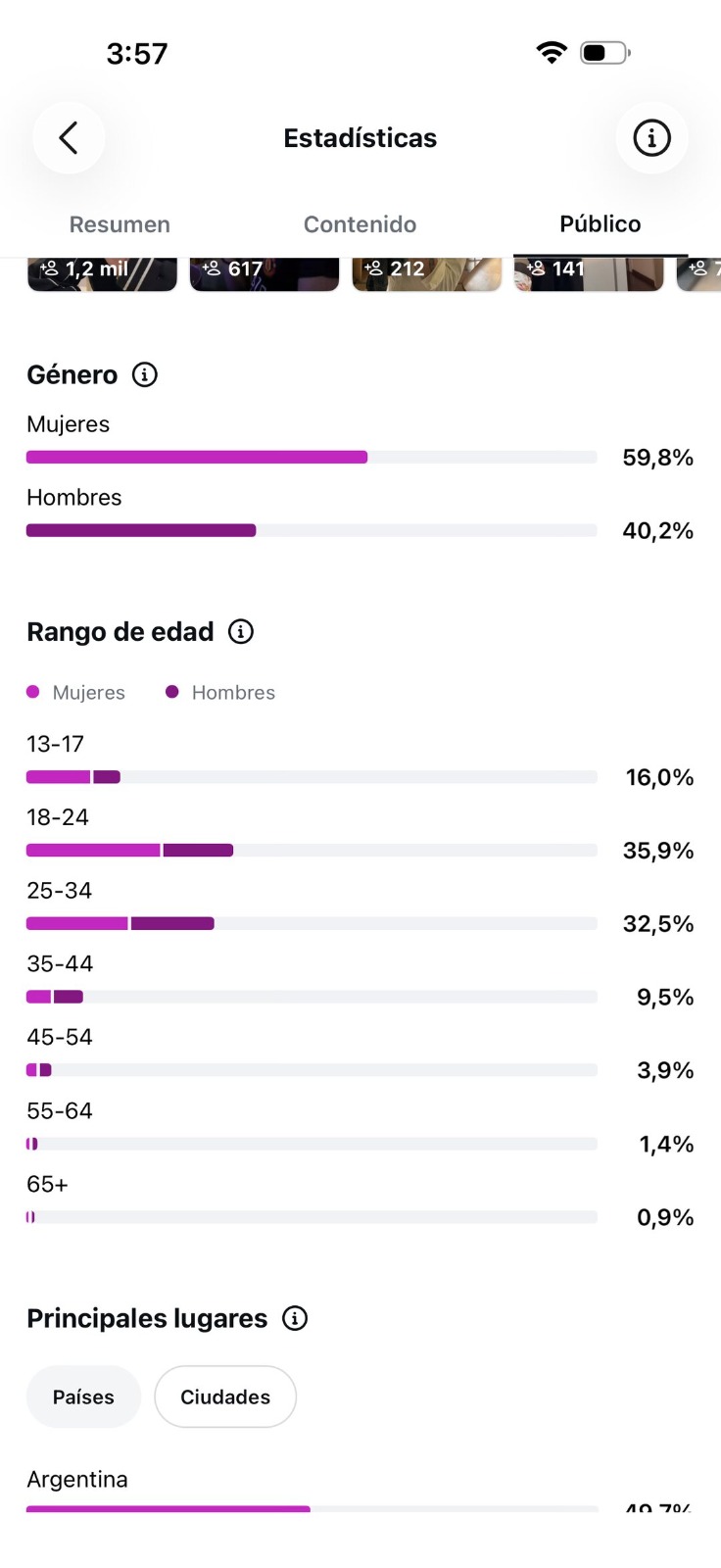
Audience demographics include information such as age, gender, and location, which can help brands determine whether a Creator’s audience matches the target audience.
If a campaign targets a specific age group or audience segment, brands should make sure that the Creator’s audience data aligns with that segment.
4. Engagement
Follower count alone does not show how actively an audience interacts with content. Brands should therefore look at engagement indicators such as comments, shares, and views, as well as how relevant these interactions are to the content.
It is also important to consider the quality of engagement, rather than simply focusing on high numbers, as genuine interactions provide a better indication of audience interest.
5. Content Quality
Brands should review the content a Creator produces before starting a collaboration. Is the visual style appropriate? Can the Creator present products clearly and naturally? Does their content style fit the image the brand wants to communicate?
Choosing a Creator who consistently produces high-quality and relevant content can make the collaboration feel more natural to their audience.
6. Creator–Brand Fit
Even if a Creator has a relevant audience, they may not be the right choice if their personality and content do not align with the brand.
Brands should consider the Creator’s communication style, the topics they cover, and the way they interact with their audience, and assess whether these elements align with the Brand Identity.
7. Campaign Objective
Creator selection should also be connected to what the brand wants to achieve through the campaign.
The objective may be Brand Awareness, Engagement, Traffic, or Conversions. Depending on the objective, different criteria may need to be prioritized when evaluating a Creator.
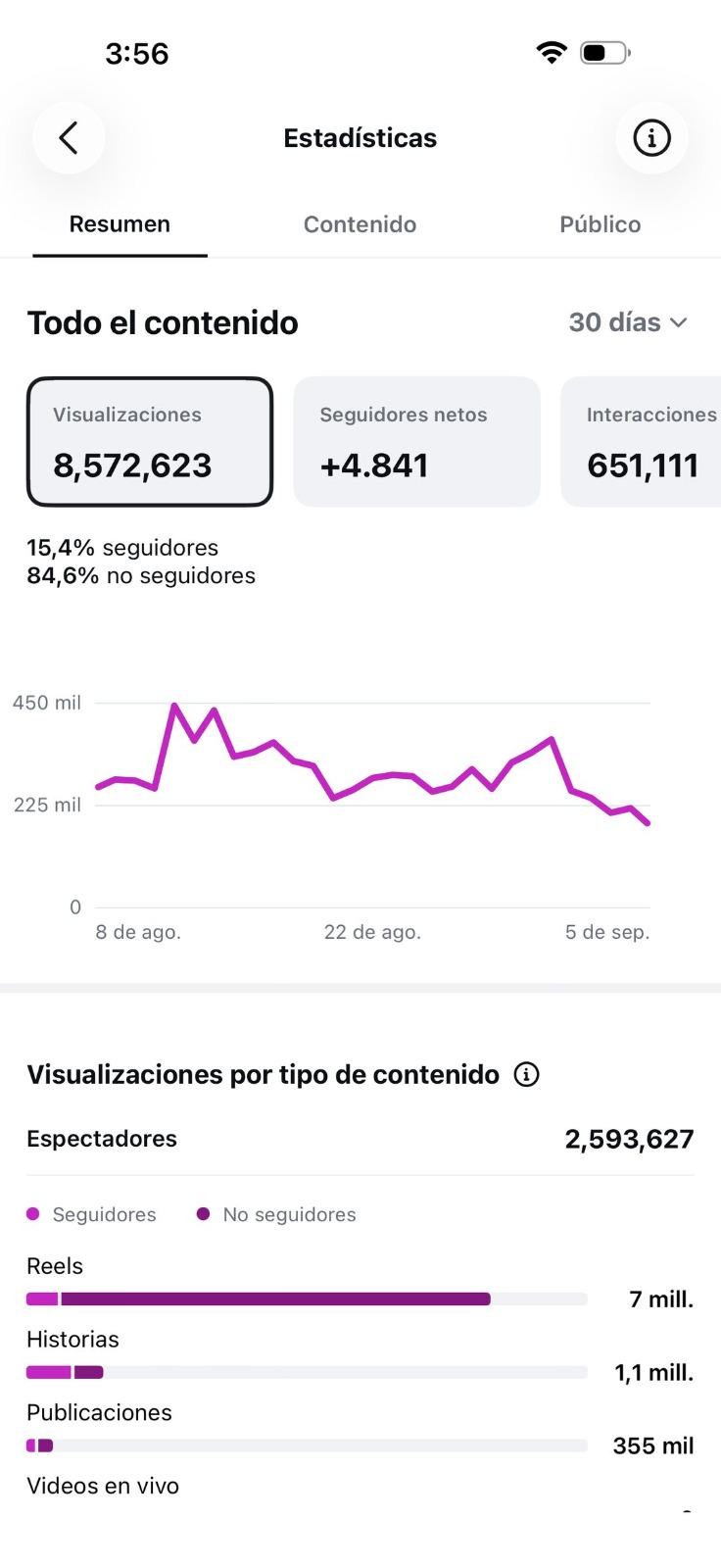
How to Check an Influencer’s Audience Before Collaboration?Before starting a collaboration, it is not enough to rely on the information visible on a Creator’s profile or their follower count. Brands should review the available audience data from the platform’s analytics tools to make sure that the audience matches the target market and campaign requirements.
1. Review Audience Location
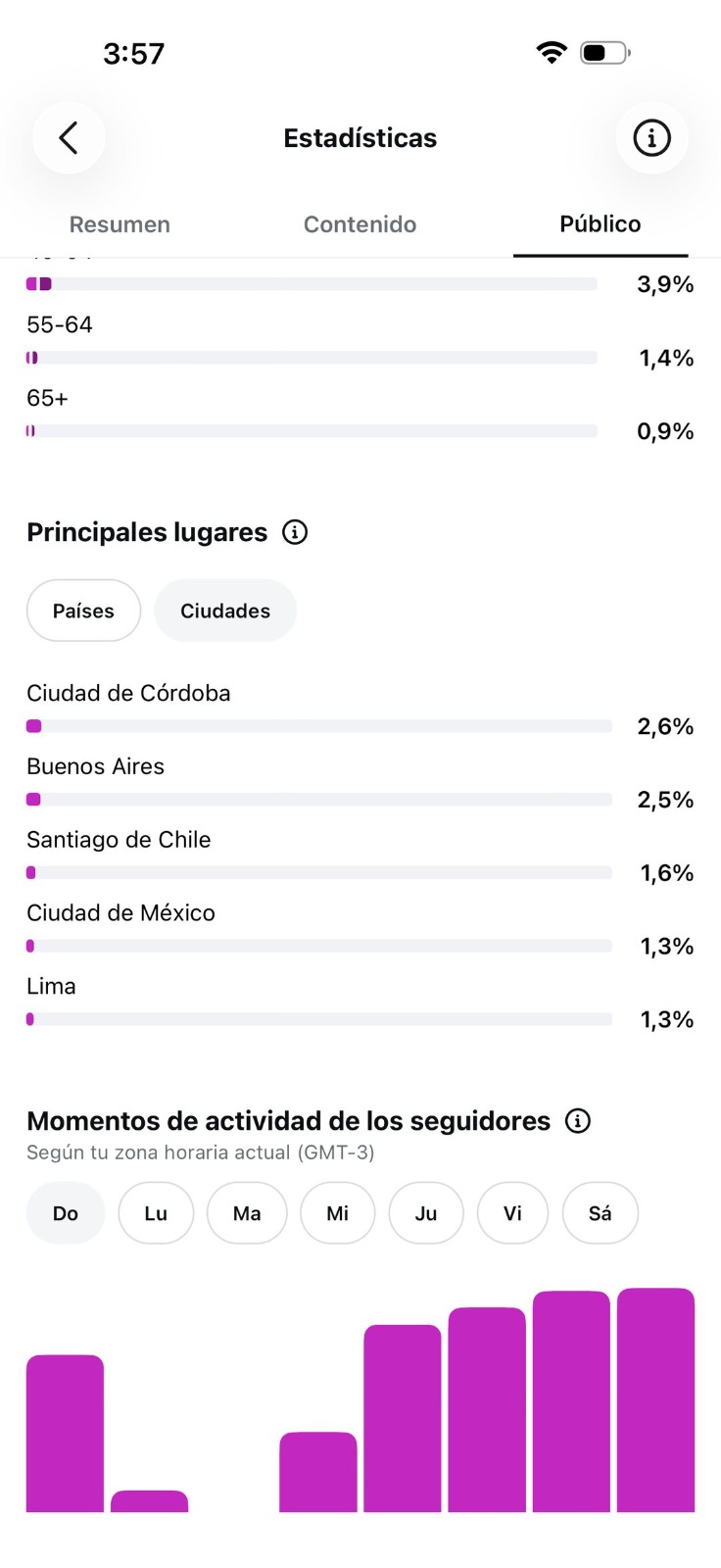
Start by reviewing the audience distribution by country and, when available, by city, especially when the campaign targets a specific MENA market.
It is important to distinguish between the Creator’s location and their audience’s location. A Creator may be based in one country while a significant portion of their audience comes from other markets.
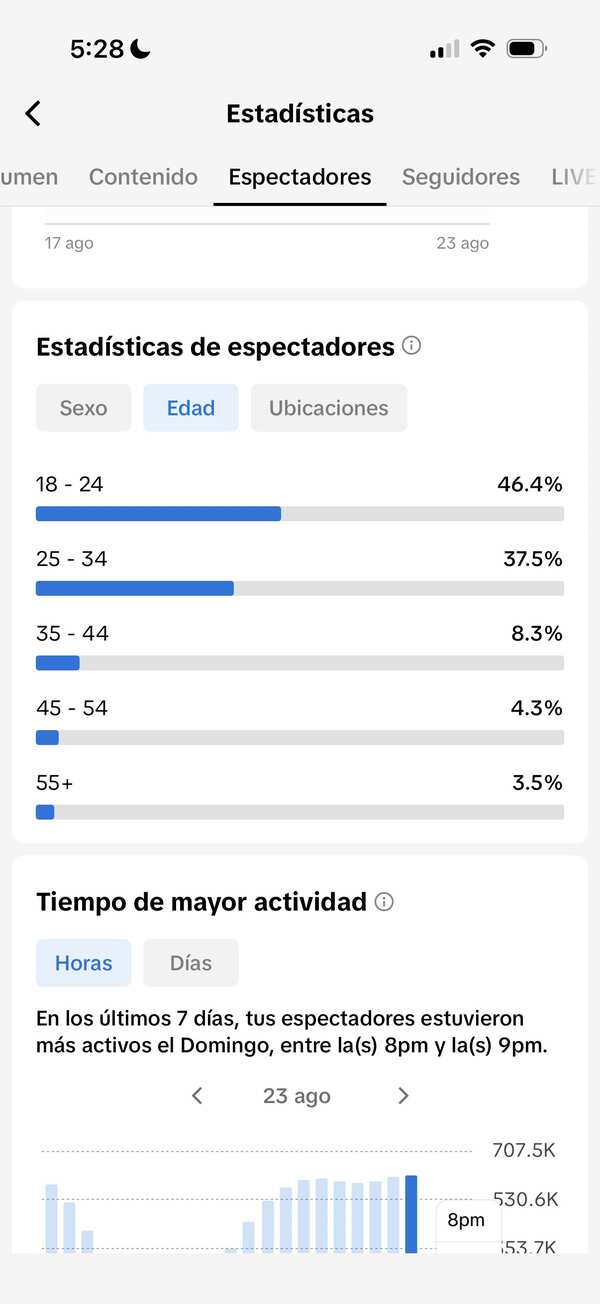
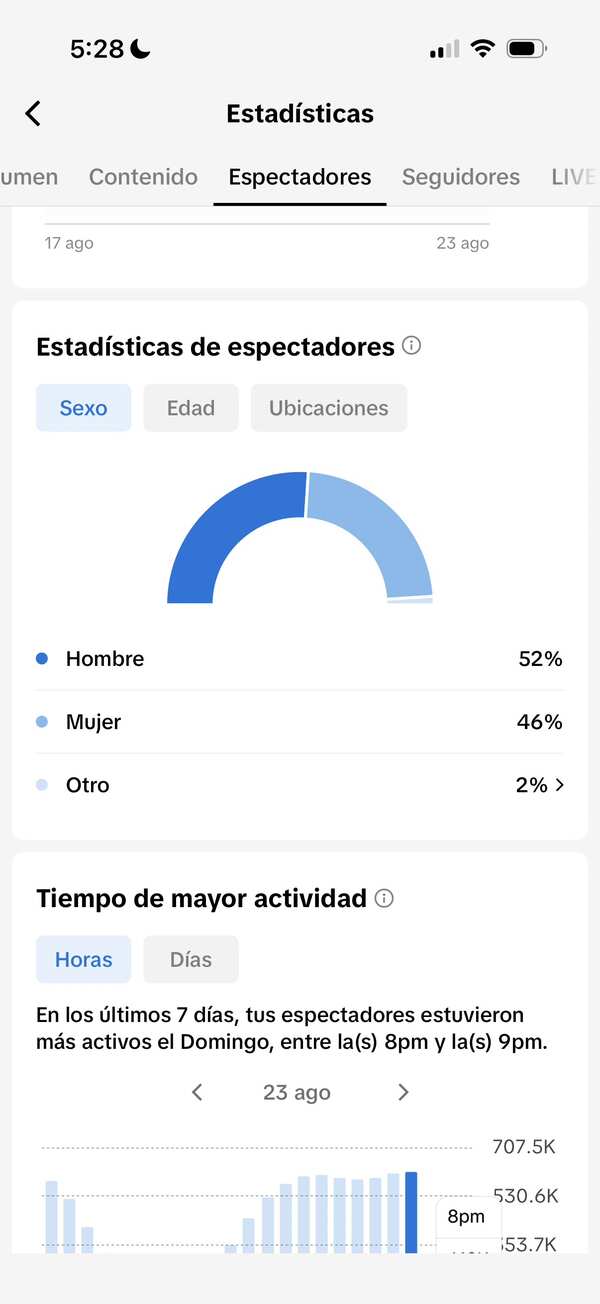
2. Review Age and Gender
Age and gender data can help determine whether the Creator’s audience matches the brand’s Target Audience.
For example, if a campaign is designed for a specific age group, brands should check whether that age group represents a relevant portion of the Creator’s audience before starting the collaboration.
3. Review Audience Interests
Location alone is not enough. Brands should also consider the interests and behaviors of the audience when this information is available.
The closer the match between the audience’s interests and the product or service, the more relevant the Creator’s content is likely to be to the target audience.
4. Request Audience Data from the Creator
For some campaigns, brands may need to request Audience Insights or screenshots from the Creator’s account analytics.
These may include:
- Audience Location
- Age
- Gender
- Views or Reach
- Engagement data
This information helps brands make decisions based on actual audience data rather than relying only on the numbers visible on the public profile.
5. Compare Audience Data with Campaign Goals
After collecting the data, compare it with the audience the brand wants to reach.
For example, if the campaign targets Saudi Arabia, having a large follower count is not enough. The Creator should have a relevant audience in Saudi Arabia, along with age and interest profiles that fit the campaign.
6. Check Audience Quality
Brands should also consider the quality of the audience and how actively it interacts with the Creator’s content, rather than focusing only on audience size.
Looking at several data points together provides a more accurate basis for evaluating whether a Creator is suitable for the campaign.
How to Choose Influencers for Different MENA Markets?Choosing the right Creator in the MENA region is not based on follower count alone. It depends on how well the Creator fits the specific market and target audience. Since each market has its own characteristics, Creators should be evaluated based on the country the campaign is targeting.
1. Saudi Arabia
When targeting the Saudi market, focus on Creators who have an actual audience in Saudi Arabia, rather than simply choosing Creators who are based there.
It is also important to review the type of content the Creator produces and how well it fits the Saudi audience, as well as their communication style and the language used in their content.
2. United Arab Emirates
For the UAE market, look for Creators who have a relevant audience within the UAE, while making sure that their audience distribution matches the target segment of the brand.
Brands should also consider whether the Creator can present content in a way that is relevant to the diverse audience in the UAE market.
3. Egypt
When selecting Creators for campaigns targeting Egypt, brands should make sure that a relevant portion of the Creator’s audience is based in Egypt, while also reviewing age, interests, and content type.
A Creator can still be a strong fit for the Egyptian market even if part of their audience is located elsewhere. This is why brands should rely on Audience Insights rather than the Creator’s location alone.
4. Do Not Rely Only on the Creator’s Location
One of the most important considerations when selecting Creators across MENA is that a Creator’s location does not necessarily determine the market they can reach.
A Creator may be based in one country while having a strong audience in another. Therefore, brands should always compare Creator Location with Audience Location before making a decision.
5. Choose the Creator Based on the Market and Campaign Objective
There is no single Creator who is right for every MENA market or every campaign. The right choice depends on the target market, audience, product category, and campaign objective.
When working across multiple markets, it is better to evaluate Creators for each country individually rather than applying the same selection criteria to every market.
How to Evaluate Influencer Content?Before collaborating with a Creator, it is not enough to confirm that they have the right audience. Brands should also review the content they produce to determine whether their style fits the brand and whether they can present the product in a natural and effective way.
1. Content Alignment with Brand Identity
Review the Creator’s previous content and make sure that their style, presentation, and the topics they cover align with the brand’s Brand Identity.
2. Content Quality
Evaluate the quality of the Creator’s visuals, lighting, audio, product presentation, as well as the quality of their ideas and storytelling.
The content does not always need to look highly produced, especially for certain types of campaigns. However, it should be appropriate for the platform, audience, and campaign objective.
3. Natural Product Integration
It is important to determine whether the Creator can integrate a product naturally into their content rather than making the advertisement feel disconnected from their usual style.
Review their previous brand collaborations, if available, to understand how well they can turn an advertising message into content that feels relevant to their audience.
4. Communication Style
Pay attention to how the Creator communicates with their audience, including their tone of voice, language, and ability to explain the product or communicate the campaign message clearly.
Their communication style should be appropriate for both the target audience and the brand.
5. Content Reusability
If the brand plans to use the Creator’s content in paid advertising or on its own channels, evaluate whether the content is suitable for reuse and make sure Usage Rights are clearly defined in the agreement.
For more context on using Creator-generated content in marketing campaigns, brands can also refer to the UGC article.
6. Review Previous Content
Do not rely only on the Creator’s most recent posts. Reviewing a wider selection of previous content can provide a clearer understanding of their overall style and whether they consistently maintain the required level of quality and relevance.
How Many Influencers Should a Brand Choose?There is no fixed number of Creators that every brand should choose. The right number depends on the campaign objective, target market size, budget, product category, and audience the brand wants to reach.
1. It Depends on the Campaign Objective
If the goal is to increase Brand Awareness and reach a broader audience, working with a group of Creators may be more effective than relying on a single Creator.
For more specific campaign objectives, collaborating with fewer Creators who have highly relevant audiences may be sufficient.
2. Covering Multiple Markets
When running a campaign across multiple MENA markets, a brand may need different Creators for each market.
Instead of relying on one Creator to reach every market, brands can select a group of Creators, with each one having a relevant audience in the specific market the campaign targets.
3. Diversifying Creators
Working with a diverse group of Creators can help brands reach different audience segments.
The group may vary in audience size, content style, geographic location, and interests, as long as each Creator meets the campaign requirements.
4. Budget Affects the Number
The number of Creators should be aligned with the campaign budget. Choosing more Creators does not necessarily mean better results if they do not have relevant audiences or if the brand cannot manage the collaborations effectively.
Therefore, brands should prioritize Creator quality and relevance rather than choosing a large number simply to increase participation.
5. One Creator or a Group of Creators?
The right choice depends on the campaign. A single Creator may be suitable when they have a highly relevant audience and can strongly support the campaign objective.
A group of Creators may be more suitable when the brand wants to expand its reach or connect with different audience segments and markets.
nfluencer Selection ChecklistBefore approving a Creator for a collaboration, brands can use the following checklist to make sure the most important selection criteria are covered:
Audience & Market
- Is the Creator’s audience located in the target market?
- Does the Audience Location match the country targeted by the campaign?
- Do the audience’s age, gender, and interests align with the Target Audience?
- Is there enough audience data available to assess audience quality?
Content
- Does the Creator’s content style align with the Brand Identity?
- Are the video quality, audio, and presentation style suitable?
- Can the Creator present the product naturally?
- Is their communication style and language appropriate for the target audience?
Engagement
- Does the audience genuinely interact with the Creator’s content?
- Are comments, shares, and views relevant to the content?
- Is the level of engagement reasonable for the audience size and content type?
Creator–Brand Fit
- Does the Creator’s personality fit the brand?
- Are the topics they cover relevant to the product or service?
- Do they have previous experience working with similar brands, if applicable?
Campaign & Expected Results
- Can the Creator support the Campaign Objective?
- Is their content suitable for the desired goal, whether Awareness, Engagement, Traffic, or Conversions?
- Can the content be used across other channels if required?
- Are Usage Rights clearly defined before starting the collaboration?
Cost & Collaboration Management
Common Mistakes When Choosing Influencers
- Does the collaboration cost fit within the available budget?
- Can the Creator follow the Brief and meet the required deadlines?
- Are the collaboration terms and deliverables clear to both parties?
Choosing a Creator based on the wrong criteria can lead to a collaboration that fails to achieve the campaign’s goals. It is important to avoid the following mistakes:
1. Choosing the Same Creator for All MENA Markets
What works in Saudi Arabia may not be the best fit for the UAE or Egypt. Creators should be evaluated for each market based on Audience Location, audience characteristics, and campaign objectives.
2. Focusing on Price Before Fit
Choosing the lowest-cost Creator does not necessarily mean choosing the best one. First, ensure that the audience and content are relevant to the campaign, then compare the cost with the expected value of the collaboration.
3. Choosing a Creator Without Considering the Campaign Objective
A Creator may have a suitable audience and content but may not align with the Campaign Objective. Therefore, the campaign goal should be defined before selecting the Creator.
4. Not Clearly Defining Collaboration Terms
The collaboration terms should be agreed upon in advance, including the required content, number of posts or videos, delivery deadlines, and any required Usage Rights to avoid misunderstandings during the campaign.
FAQs1. How Do I Choose the Right Influencer for My Brand?
Start by defining the target market, target audience, and campaign objective. Then evaluate Audience Location, Audience Fit, Engagement, Content Quality, and Creator–Brand Fit rather than relying on follower count alone.
2. Is Follower Count the Most Important Factor When Choosing an Influencer?
No. Follower count is important, but it does not determine whether a Creator is the right fit. What matters more is having a relevant audience in the target market, along with content and engagement that align with the brand’s objectives.
3. How Can I Know if an Influencer’s Audience Is Right for My Market?
Review the available Audience Insights from the platform or ask the Creator for audience data such as location, age, gender, and interests. Then compare this information with the campaign’s target audience.
4. Does the Influencer Have to Be Based in the Same Country I Am Targeting?
Not necessarily. A Creator may be based in one country while having a strong audience in another. Therefore, brands should focus on Audience Location rather than the Creator’s location alone.
5. Is It Better to Work with One Influencer or a Group of Influencers?
It depends on the campaign objective, budget, and target markets. One Creator may be suitable for a specific campaign, while a group of Creators may be more effective for reaching different audience segments or markets.
6. How Should I Evaluate an Influencer’s Content Before Collaborating?
Review the Creator’s previous content, product presentation, video and audio quality, communication style, and how well their content aligns with the Brand Identity and target audience.
7. Why Is Creator–Brand Fit Important?
Creator–Brand Fit helps make the collaboration feel more natural and relevant to the audience. The Creator’s personality, style, and content topics should align with the brand’s identity.
8. What Audience Data Should I Ask an Influencer to Provide Before Collaboration?
Brands can request Audience Location, Age, Gender, Views or Reach, and Engagement Data, depending on the information available on the platform and the requirements of the campaign.
9. How Should I Choose Influencers When Targeting Multiple MENA Markets?
Evaluate Creators for each market individually, focusing on Audience Location, Content Fit, Language, Audience Characteristics, and Campaign Objective for each country.
Contact Gravity Marketing today and let us help you choose the right Creators for your brand, reach your target audience across MENA markets, and build an Influencer Marketing strategy that supports your campaign goals.
2026-09-14 · 15 min read · GravityMarketing